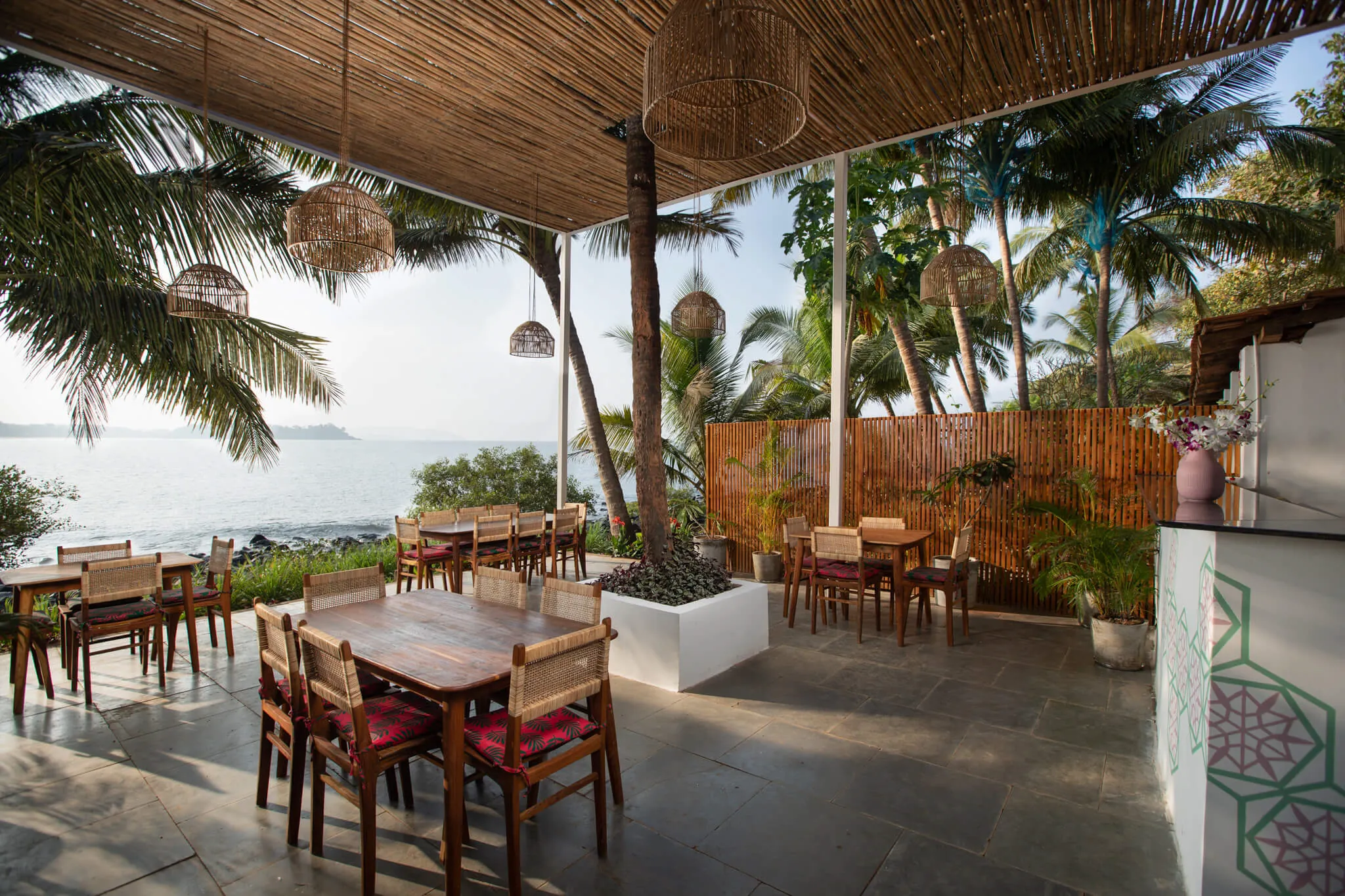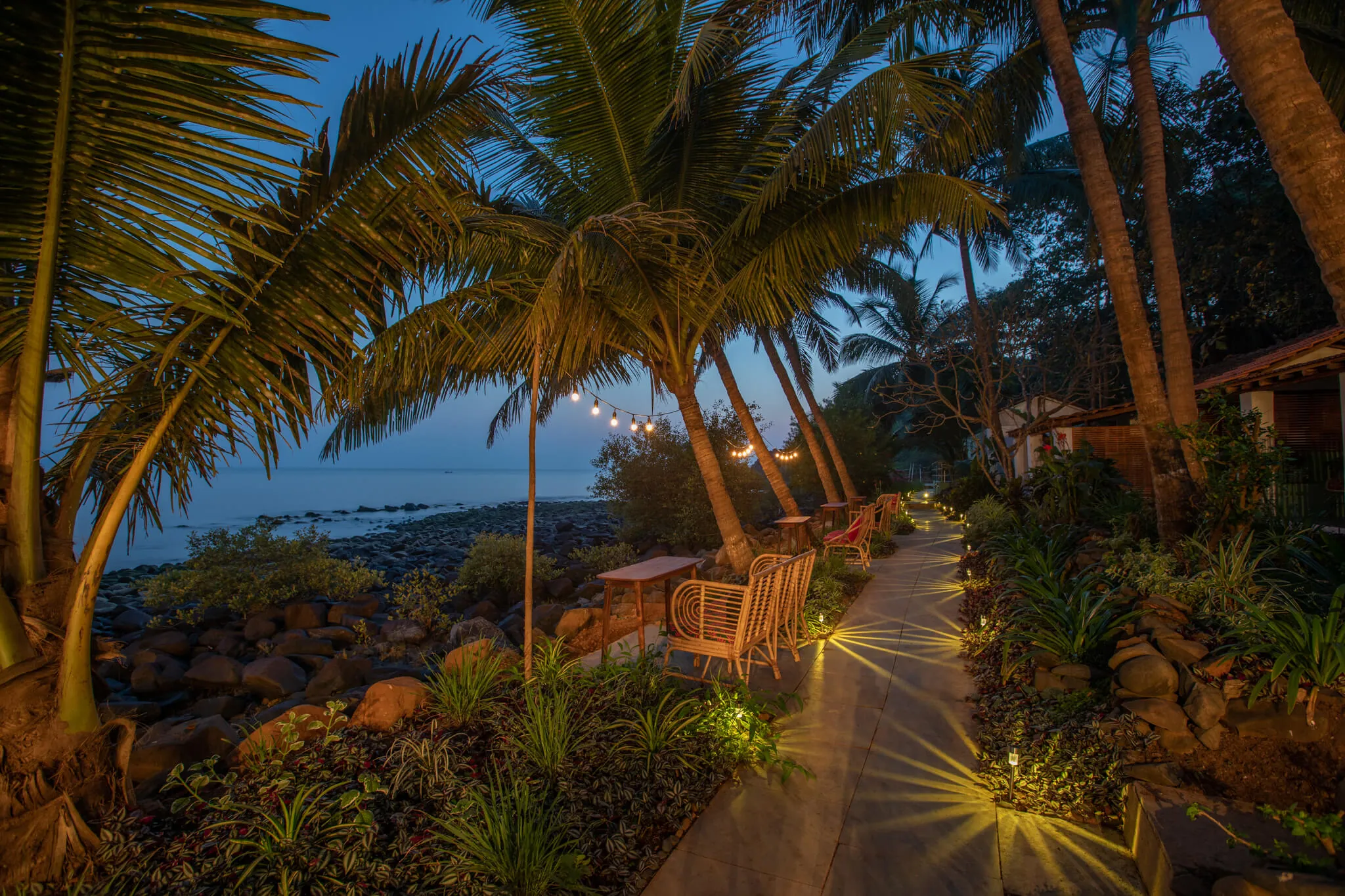
Jaali began with a simple conviction: that it was possible to create something in Goa that didn’t yet exist. Not a resort, not a guesthouse that looked like every other guesthouse, but a collection of spaces that felt genuinely considered, where the quality of a meal and the fabric on a chair mattered equally.
Everything we build and make is done with that in mind. The furniture is designed and custom built, not bought from a catalogue. The fabrics are block-printed by hand. The ingredients in the kitchen are sourced with the same care as the materials in the rooms. We work with local craftsmen wherever we can, and we take the time that handmade things require. The result, across our properties, is something that feels particular to this place and to us: refined without being precious.
Hospitality, for us, means paying attention. To what’s on the plate, to what’s on the walls, to whether a guest feels genuinely welcomed rather than efficiently processed. We’ve built Jaali slowly and deliberately, and we think it shows.